
PART 2 – Sound Control
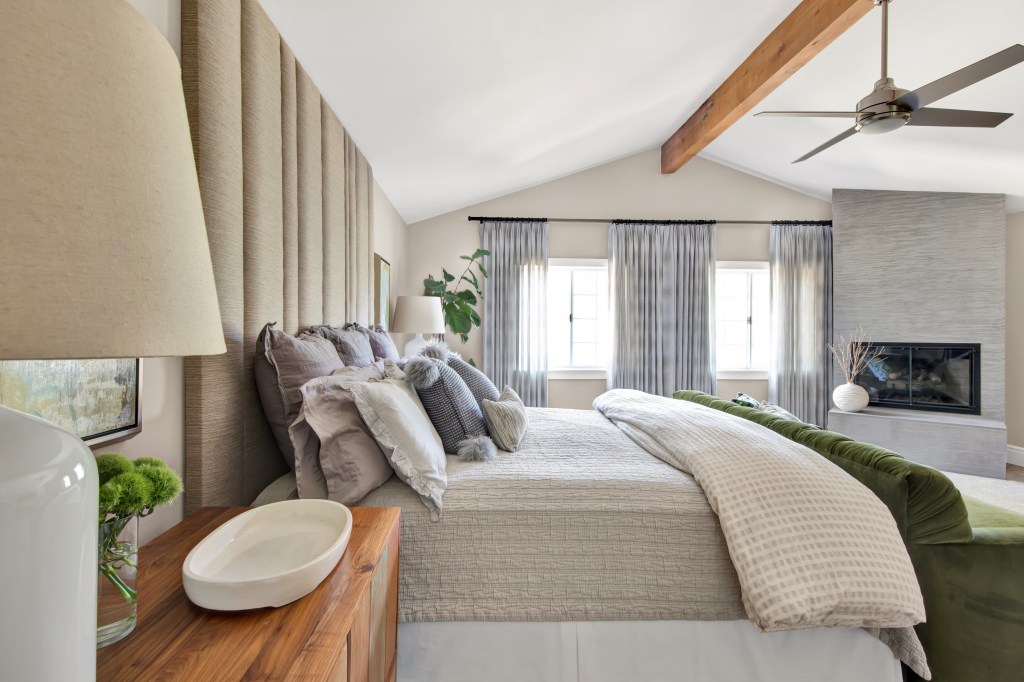
drapery and plush furnishings to reduce any ancillary sound from the street. Wellness Design: Shannon Ggem Design Photo: Hako Photo Styling: The Ranch Uncommon
Wellness, as it applies to Interior Design, is a set of evidence based practices and principles that support human health and performance inside the built environment. – Shannon Ggem
Foxes have dens. Birds have nests. Snails have shells. We have our homes.
We are creatures, too. Part of nature. With 100s of 1000s of years of evolutionary biological responses to our environment built into the machinery that is us, our bodies can be supported or harmed by our surroundings. 5 posts, 5 areas of focus and give you a health stat, a fiscal stat, and real life solutions.
Contrary to popular minimalist belief, soft goods are not “dust catchers” they are functional and performative parts of the built environment that reduce a known stressor linked to anxiety and depression.
-Shannon Ggem
ACOUSTICS
Every home has it’s own innate acoustic properties. When they are a bother, it’s often because of the repeat. I call it the superball test.
The Superball Test: If I took a superball and bounced it in the space, how many hard surfaces would it bounce off before it came to rest? How many times could it repeat in niches and trays? How many counters and tables and walls can it bounce off in one throw?
The higher the number the more nuisance noise you have.
Addressing this bouncy sound is referred to as sound remediation.
SOUND CONTROL
Let’s talk about the importance of acoustic properties of the built environment. The architect and engineers control the building’s envelope (put simply, the outer walls and roof), but the interior design team can alleviate issues and support more restful spaces with better acoustics. Because noise disturbance is linked to an increase of anxiety and depression , this is a very important consideration for the well being of our clients.
To appropriately cover this topic, you need to know a couple things about sound.
Acoustics have been used by architects for eons. Think of the cathedrals where the slightest whisper is repeated and amplified and lands in the ear of someone on the other side of the room! Consider the brilliance of this, in the best designed spaces, the Priest or monks could be heard by the entire congregation but if a congregant found their attention short and tried to chat, it was noted!
Now envision certain eras of homes. How about the 1980s. Acres and acres of wall to wall carpet, right? Trayed ceilings and little niches for your bucket full of dried flowers, cabinets that stop before the ceiling so you could dangle that ivy down off the top.
Guess what happens when that carpet is replaced with hardwood floor to update the look of the home? You have created the bounciest situation! It needs to be offset.
COMMUNITY NOISE
Cities have always been fairly loud. Open air markets, wagons, people driving their horse teams. Even hoofs on cobblestones. This all makes noise. Architects have responded to this through earliest times, with office and bedrooms in the back of the home, with courtyards and window placements, with landscaping and carpets and drapery and and and…
Architects consider letting some sound in, but closing out the unwanted sounds!
We know that exposure to nature improves the human sense of well-being. Of course, sound is part of that. But can we let some sound in while blocking other sound? Perhaps.
Architectural elements like courtyards do this successfully, and site by site, in each individual situation humans have figured out ways to let the bird songs in and keep the street noise out.
WHAT TO DO WITH ALL THIS ECHO-Y NOISE?
Consider soft goods. It’s by far the least costly way to bring that superball to rest.
-drapery
-pillows
-cushions
-rugs
-upholstered walls and doors
Did you watch Downtown Abbey? Perfect examples everywhere of room sized tapestries, leather upholstered doors to the servants quarters, and rugs and drapes galore. That’s how you get a grand space not to echo!
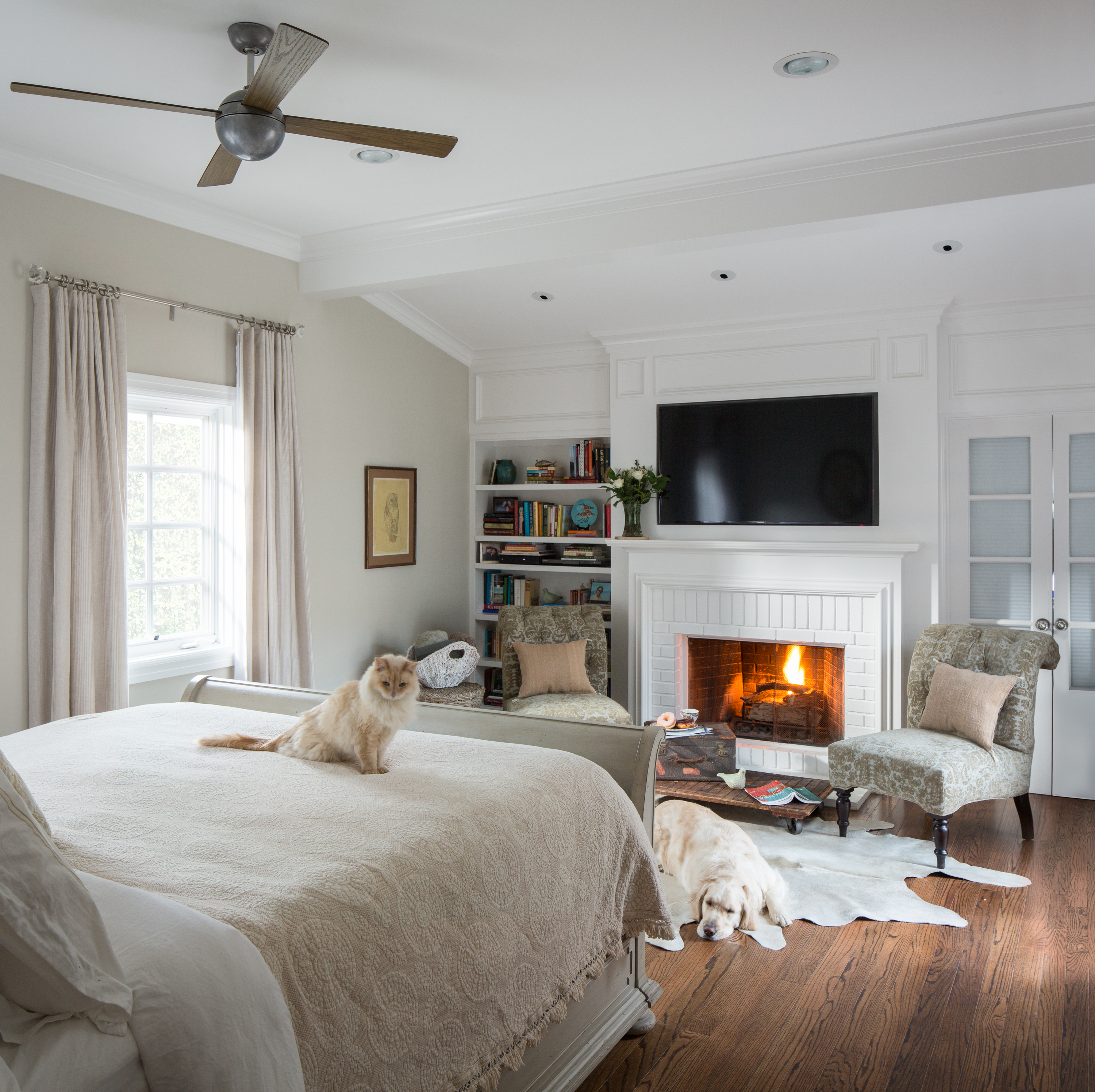
But in trickier situations like light wells, skylights, vaulted ceilings and associated stairs, you may have great luck with some of the newest products available- like plater that is acoustic but looks EXACTLY like plaster! Phew! No more popcorn ceilings. Did you know that these surfaces must not be painted, as that creates a rigid surface that sound will repeat off of?
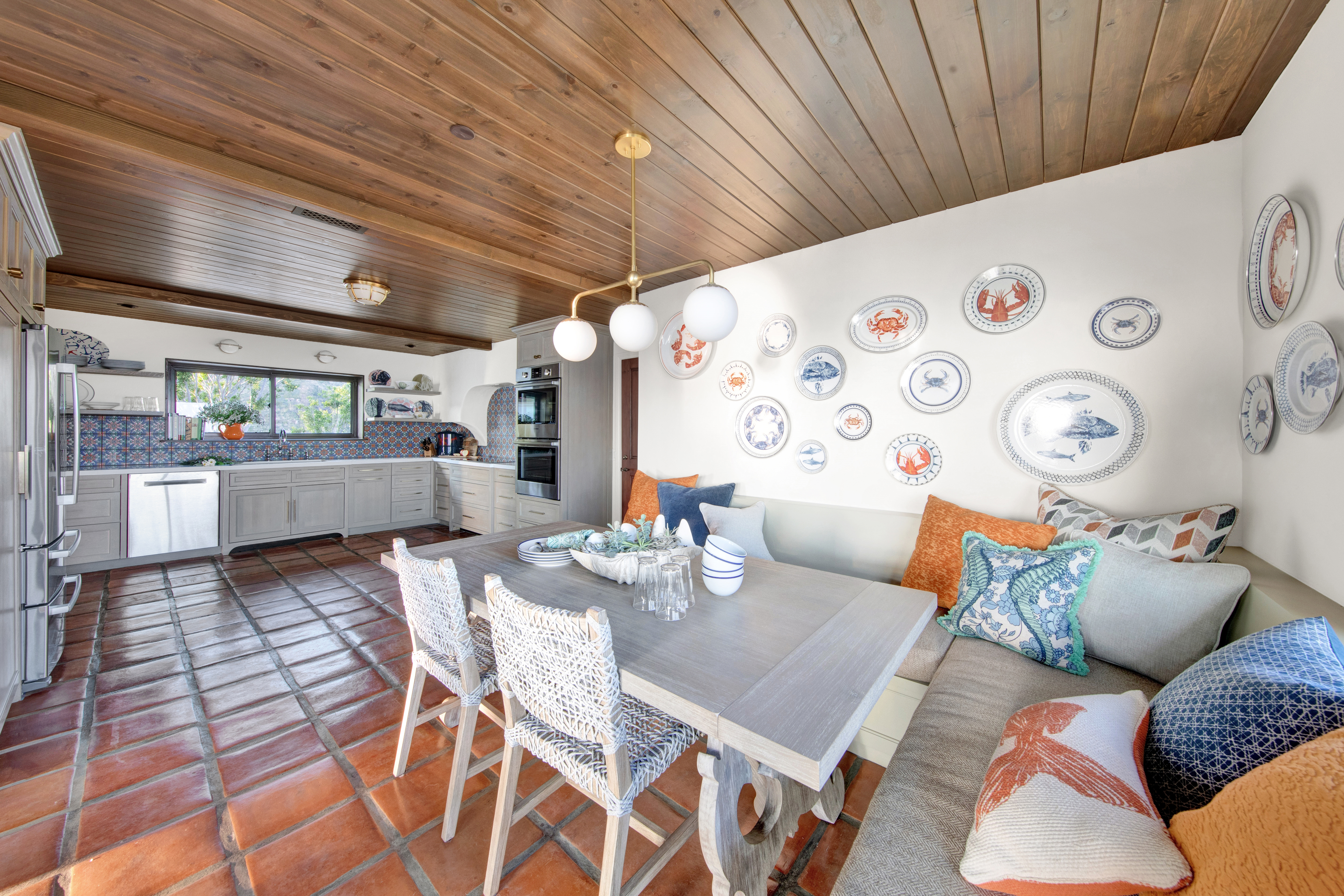 There are incredible wood panel acoustic wall solutions, and buffering sound “flags” and and and…. it’s all available but best to consider the issue BEFORE adding that skylight well that will change everything forever when possible!
In my practice, since my clients tend to want a warmer, collected classic American look, I tend to use wood on ceilings, but I have also specified the plaster, and have added endless rugs, drapes and other soft goods. Contrary to popular belief, soft goods are not “dust catchers” they are functional and performative parts of the built environment that reduce a known stressor linked to anxiety and depression.
Take a listen around the house and see where you could use a sound tune up. Don’t be afraid to reach out to a professional!
0 Comments